

A new CEO, a new form factor, and a price that doubles the usual flagship ask.
Apple is expected to unveil its first foldable iPhone on September 9, more than five years after Samsung shipped one. The price is the headline: reports put it above $2,000, roughly double what a flagship normally costs. It also lands as Tim Cook hands the CEO job to John Ternus.
Most of what we know comes from Bloomberg’s Mark Gurman. Early testers told him the device feels premium and slips into a pocket. A 5.5-inch cover screen opens into a 7.8-inch display, close to a small iPad. Folded, it reads shorter and wider than a normal iPhone.
Getting there cost something:
- No telephoto: rear camera is a main plus an ultra-wide.
- No Face ID: a side-mounted Touch ID button replaces it.
- MagSafe stays: wireless charging and accessories reportedly survive.
- Familiar silicon: the same chip reportedly powers the budget MacBook Neo.
The open screen runs two apps side by side, though the software is iOS rather than iPadOS. Apple has apparently also softened the visible crease that mars rival foldables. Every detail here is a leak, not a spec sheet.
Leaks also point to an iPhone 18 Pro and Pro Max at the event. The standard iPhone 18 is predicted to arrive about six months later, which would be a first: premium models before the mainstream one. The HomePod is due a refresh, arriving alongside the Gemini-powered Siri update Apple has finally moved on. References to unreleased HomePods showed up in a macOS preview build. Together the leaks describe a fuller lineup than Apple usually shows in September.
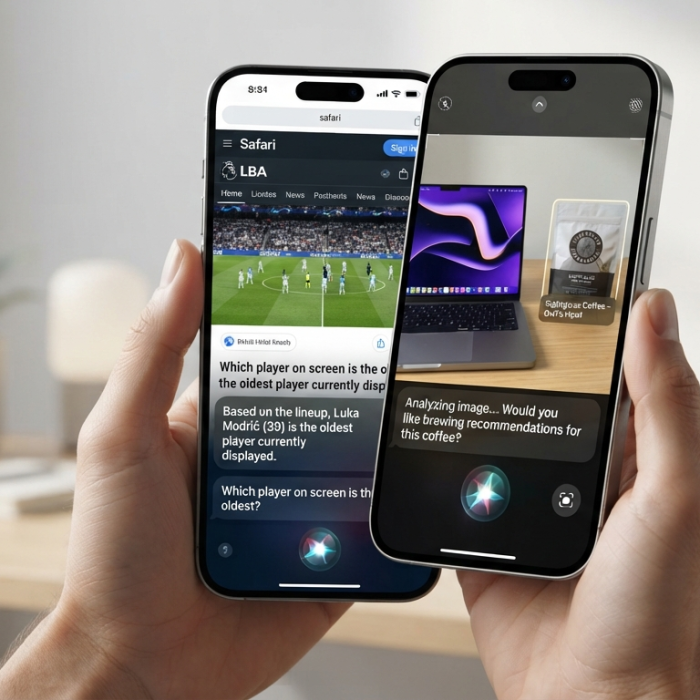
That same build held the strangest detail. Researcher Aaron Perris found a video of someone wearing AirPods and picking up a book, with a voiceover pitching Visual Intelligence as a way to save whatever catches your eye. Gurman says the cameras work as eyes for Siri, not as a way to shoot photos or video, and capture visual information at low resolution. Low resolution is the whole argument: cheap enough to run constantly, weak enough to be defensible.
Apple will have to sell that distinction. Camera wearables have gone badly for Meta, and the privacy brand Apple has spent years building is the main thing separating the two pitches. Expect that framing to do a lot of work on stage.
The open question is whether anyone outside Apple’s most committed buyers will pay laptop money to find out what a folding iPhone feels like.
If you build apps or plan mobile campaigns, the foldable creates a new canvas: two apps at once on a 7.8-inch screen still running iOS. Decide now whether your product needs a tablet-grade layout on a phone. And if camera-equipped AirPods ship, plan for a Siri that reads the physical world. Visual search stops being a Google-only problem.